
How can new employees be effectively trained to work with high-tech pharmaceutical equipment without interrupting the production process?
The answer is Farmak VR: a training VR simulator developed specifically for the pharmaceutical company Farmak. This modern solution enables comprehensive employee training in a safe, interactive environment – with no risk, no equipment costs and no production downtime.
The Challenge
Farmak was looking for a way to:
- Accelerate the onboarding of new employees;
- Minimize production downtime associated with training;
- Reduce the risk of errors when working with sensitive and expensive equipment;
- Standardize the training process according to internal regulations and GMP protocols.
The Solution
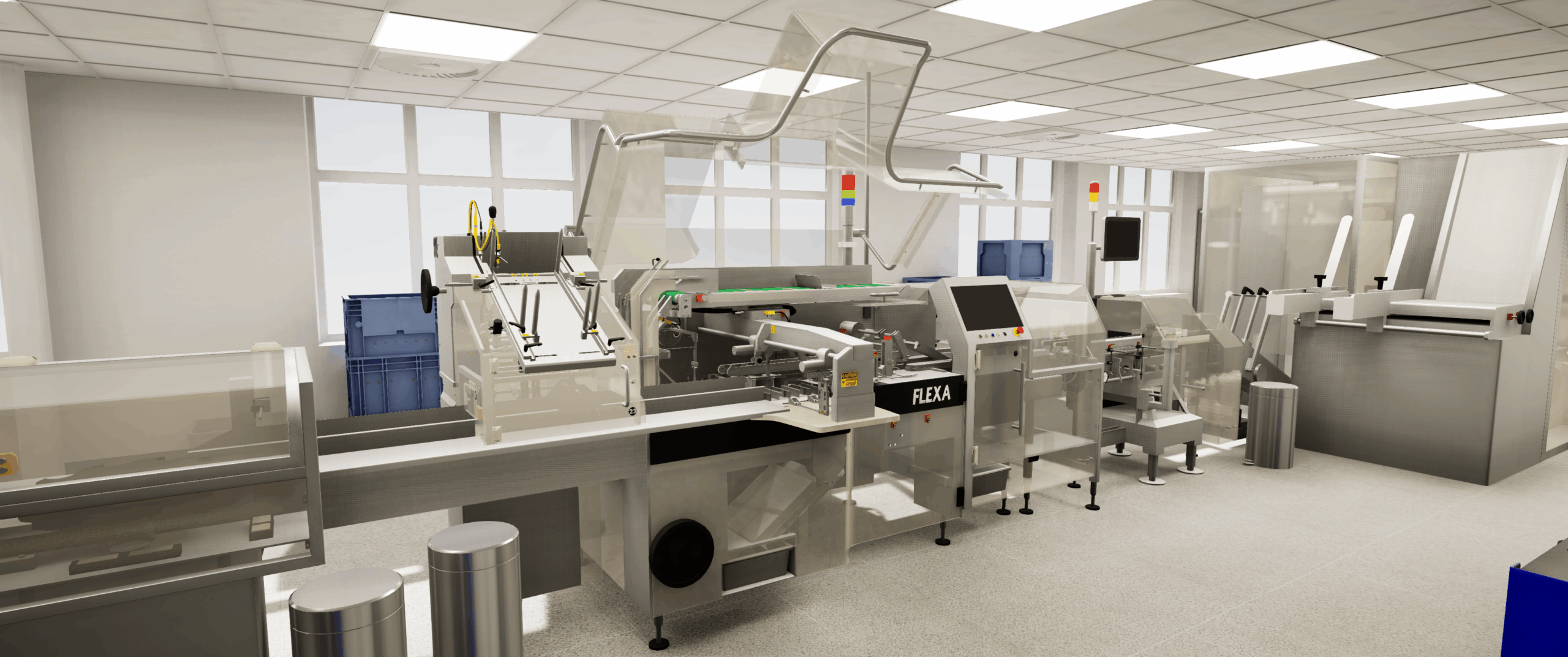
IMERSUM developed Farmak VR – a virtual training simulator that fully replicates the workflow in a pharmaceutical facility. Using a VR headset, a new employee can go through all stages of the work process without any contact with real equipment.
Key Features of the Simulator:
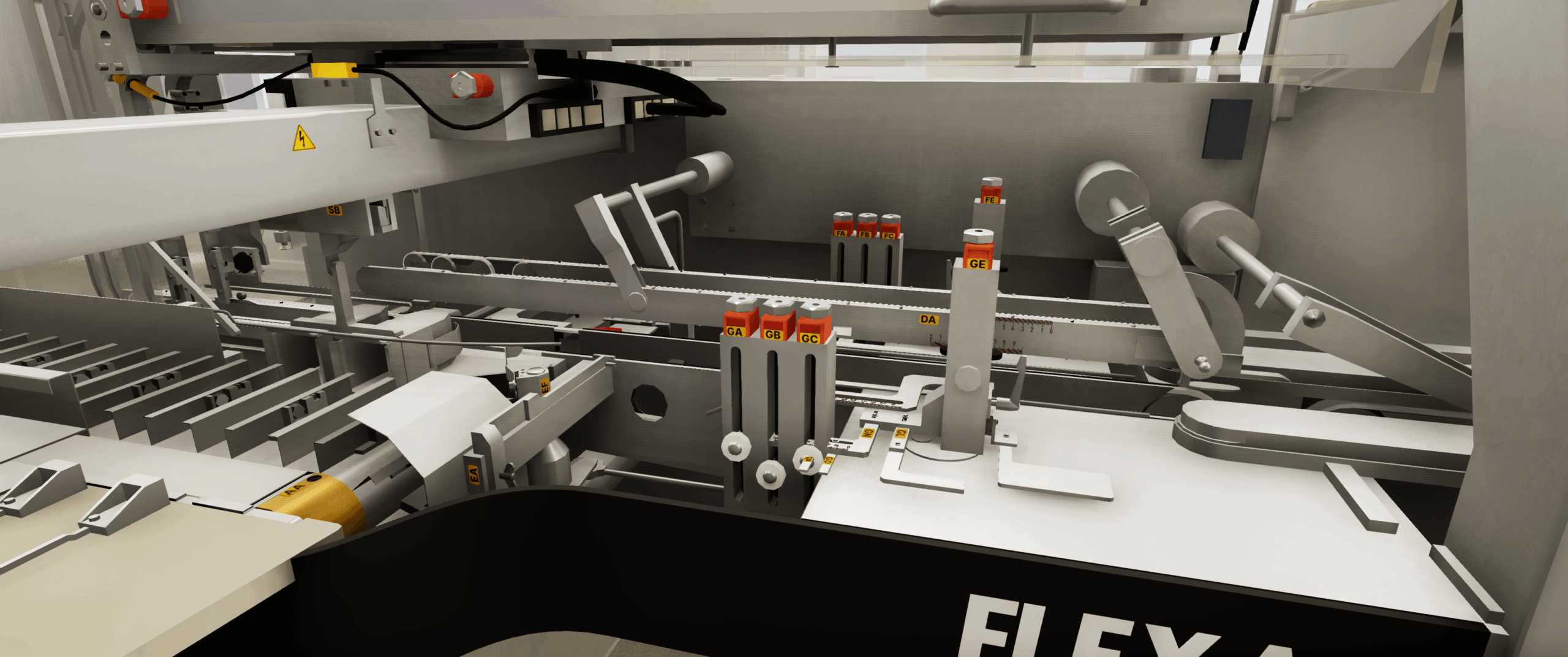
- Accurate 3D model of pharmaceutical equipment recreated from technical drawings;
- Training scenarios aligned with Farmak’s internal guidelines and protocols;
- Interactive step-by-step instructions with voice and visual guidance;
- Knowledge checks and error indicators during training;
- Modular course structure – from basic skills to handling emergency situations;
- Intuitive interaction with objects, closely mirroring real operator actions;
- Optimization for Meta Quest 2/3 headsets, enabling easy deployment in a corporate environment.
Results
The implementation of the Farmak VR training simulator provided the company with several strategic advantages in personnel development. The onboarding time for new employees was significantly reduced, which not only helped maintain production pace but also avoided costs associated with potential beginner errors. The training process became more standardized: all employees now go through a unified, clearly structured course aligned with internal protocols and GMP standards. The ability to train in a VR headset without any risk contributes to better knowledge retention, improved decision-making skills in emergency situations and a reduced psychological barrier typically associated with working in sterile and complex production environments.

